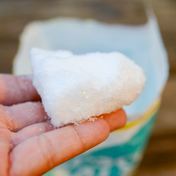


Sorrel - Large leaf seeds
Description
Description
Growing Sorrel Large Leaf: A Gardener's Guide
Sorrel Large Leaf is a versatile herb that brings tangy, lemony flavor to your kitchen garden. Whether you're an experienced gardener or just starting out, this hardy perennial is surprisingly easy to grow and incredibly rewarding to harvest.
What Is Sorrel Large Leaf?
Sorrel Large Leaf is a leafy herb known for its distinctive sour taste, which comes from oxalic acid naturally present in the plant. The large, arrow-shaped leaves are tender and flavorful, making them perfect for salads, soups, sauces, and culinary creations. Unlike smaller sorrel varieties, the Large Leaf cultivar produces bigger leaves that are easier to harvest and use in the kitchen.
Understanding Rumex Acetosa
Rumex acetosa is the scientific name for common sorrel, a perennial herb that has been cultivated for centuries across Europe and beyond. This plant is the botanical foundation for many sorrel varieties grown in home gardens today. Understanding its scientific identity helps gardeners appreciate the plant's heritage and recognize it in seed catalogs and horticultural references.
Botanical Characteristics
Rumex acetosa belongs to the Polygonaceae family and is characterized by its distinctive arrow-shaped leaves and tall flowering stems. The plant produces small reddish flowers that develop into winged seeds. Its deep taproot system allows it to access moisture and nutrients from deeper soil layers, contributing to its hardiness and longevity in the garden.
Historical and Culinary Significance
Rumex acetosa has a rich history in European cuisine and traditional medicine. French chefs have long valued sorrel for its bright, acidic flavor that adds complexity to classic sauces and soups. The plant's leaves contain oxalic acid, which gives sorrel its characteristic tangy taste and has been used in folk remedies for various purposes throughout history.
Ideal Growing Conditions
Sorrel Large Leaf thrives in full sun to partial shade, requiring at least four to six hours of direct sunlight daily. The plant prefers well-draining soil rich in organic matter. It's tolerant of various soil types but performs best in slightly acidic to neutral pH levels. Once established, sorrel is quite drought-tolerant, though consistent moisture encourages more tender, flavorful leaves.
Planting and Care
Start sorrel from seeds or transplants in spring or fall. Space plants about twelve inches apart to allow room for growth. Water regularly during the first few weeks to help establish strong roots. Once mature, water deeply but less frequently. Sorrel requires minimal fertilizing—a light application of balanced fertilizer in spring is usually sufficient. Pinch off flower buds to encourage leaf production and extend the harvest season.
Harvesting Your Sorrel
Begin harvesting leaves once the plant is well-established, typically six to eight weeks after planting. Pick outer leaves first, working toward the center, which encourages continued growth. Regular harvesting keeps the plant productive and prevents it from becoming woody. Fresh sorrel leaves are best used immediately but can be refrigerated for several days.
Culinary Uses
The tangy flavor of Sorrel Large Leaf complements many dishes. Add fresh leaves to salads for a bright, lemony note, blend them into creamy soups, or use them to make traditional sorrel sauce. The leaves can also be wilted into omelets, pasta dishes, or used as a garnish for fish and poultry.
Year-Round Growing
In most climates, sorrel is a perennial that returns year after year. In colder regions, it may die back in winter but will regrow in spring. In warmer areas, it can be harvested nearly year-round. Divide mature plants every three to four years to rejuvenate them and create new plants for your garden.
In Summary
The Sorrel Large Leaf herb, scientifically known as Rumex acetosa, is a perennial plant that is valued for its distinctive tart flavor and culinary versatility. This herb is characterized by its large, arrow-shaped leaves that can grow up to 12 inches long, making it a prominent addition to any garden. Sorrel is particularly rich in vitamins A and C, and it contains oxalic acid, which contributes to its tangy taste.
In addition to its culinary uses, Sorrel has been utilized in traditional medicine for its potential health benefits. It is believed to have anti-inflammatory properties and may aid in digestion. However, due to its oxalic acid content, it is recommended that individuals with certain health conditions, such as kidney stones, consult a healthcare professional before consuming large quantities of Sorrel.
The Sorrel Large Leaf herb plant is a valuable asset to any garden, offering both culinary and potential health benefits. Its ease of cultivation and unique flavor profile make it a popular choice among gardeners and chefs alike. By incorporating Sorrel into your gardening practices, you can enjoy a sustainable source of fresh herbs that enhance your culinary creations.
Frequently Asked Questions
What is Sorrel Large Leaf and what makes it unique for gardening?
Are Sorrel Large Leaf seeds suitable for planting in various soil types?
How do I care for my Sorrel Large Leaf plant to ensure a healthy harvest?
Can I grow Sorrel Large Leaf year-round in my climate?
What are some popular culinary uses for Sorrel Large Leaf?
How long does it take for Sorrel Large Leaf to mature after planting?
Is Sorrel Large Leaf a good choice for beginner gardeners?
What are the benefits of growing Sorrel Large Leaf in my garden?
What is the recommended spacing and planting method for Sorrel Large Leaf seeds?
Does Sorrel Large Leaf have any health or medicinal benefits?

Sorrel - Large leaf seeds

continue shopping ...
🌱 Featured Collections
View seed catalog















We now accept the following payment methods
About Our Seeds
About Our Seeds

|
ABOUT OUR SEEDS Our seeds do not contain any exogenously inserted embryogenesis deactivator genes caused by human intervention or by any other method. We also offer a few hybrid varieties on this website and they will be labeled as such on product listing. |
|
MOISTURE-PROOF SEED PACKAGING All our seeds are packaged in high quality re-sealable moisture-proof packs designed to protect & extend the shelf-life of your seeds. We do NOT use paper envelopes. Read frequently asked questions |
|
5-STAR CUSTOMER SUPPORT |
|
SATISFACTION. GUARANTEED. |
|
HIGHEST QUALITY SEEDS |
|
TOTALLY RAW & UN-TREATED |

Know where your food comes from.
Support local growers.
Grow your own Organic/GMO-FREE food!

More Information: [What is GMO?] [Step-by-Step Grow Guides] [Safe Seed Pledge] [FAQs]
WE DO NOT GROW OR SELL SEEDS FROM MONSANTO OR ANY OTHER COMPANY THAT IS AFFILIATED WITH GMO.
✓ NON-GMO
✓ HEIRLOOM
✓ OPEN-POLLINATED (OP)
✓ RAW, NATURAL & UN-TREATED
Safe Seed Pledge
Safe Seed Pledge
OUR PLEDGE TO YOU
Agriculture and seeds provide the basis upon which our lives depend. We must protect this foundation as a safe and genetically stable source for future generations.
For the benefit of all farmers, gardeners and consumers who want an alternative. We pledge to you that we do not knowingly buy or sell genetically engineered seeds or plants. The mechanical transfer of genetic material outside of natural reproductive methods and between genera, families or kingdoms, poses great biological risks as well as economic, political, and cultural threats.
We wish to support agricultural progress that leads to healthier soils, genetically diverse agricultural ecosystems and ultimately healthy people and communities.
We do not buy - OR - grow any seed from large corporations that make Genetically Engineered seeds. We don't touch that stuff and we never will.
The seeds we offer aren't like varieties you'd typically find at a garden center.
Every variety we offer is 100% OP (open-pollinated). Open-pollination means that you can safely save the seed after harvest and preserve a collection of heirloom seed for many generations to come.
To make it perfectly clear ... Our seeds do not contain any exogenously inserted embryogenesis deactivator genes caused by human intervention.
⭐⭐⭐⭐⭐
Highest Quality Seed, Guaranteed
... continue shopping!