Grows a very large bulb containing easy to peel cloves. The white wrappers have delicate purple stripes. This one is #1 on taste. Stores up to six months. Does well in any climate.
Onion (Sets) - Ebenezer, White
From $299 USDUnit price /UnavailableDescription

Quick Overview
Medium sized, flat, onion with thin, unnoticeable translucent white skin with less waste when prepared. Fine, grained flesh, popular for pickling. Excellent keeper.
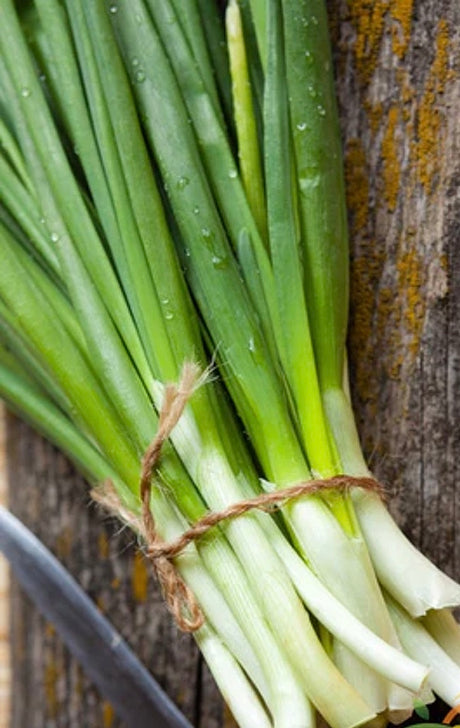
They are technically long day onions. However, they can be grown anywhere, down south they will be more grown like big scallions.
How to Plant Bulb Onions
Onion bulbs are quite hardy and can withstand 20Β° F frost. They should be set out 4-6 weeks prior to the last expected frost. When your plants arrive they should appear to be quite dry. DO NOT WET THEM NOR STICK THEIR ROOTS IN WATER. Unpack them and store them in a cool, dry place until it is time to plant. They should last about 3 weeks kept this way. Do not worry that your plants seem dry. They will "shoot" new roots and new, green tops as soon as they are planted.
Sprouts/Microgreens - Bean, Mung seeds
From $299 USDUnit price /UnavailableDescription
These delicious sprouts are popular and common as an integral part of Asian cuisine. Mung bean sprouts are quite thick and are crunchy with a nutty taste β mild and fresh. These can be served with salads, sprinkled as crunchy toppings, used in stir-fry, or simply enjoyed by themselves.
Epsom Salts Soil Fertilizer (THE BEST!)
From $299 USDUnit price /UnavailableDescription
OMRI LISTED & APPROVED for Organic UseΒ Β
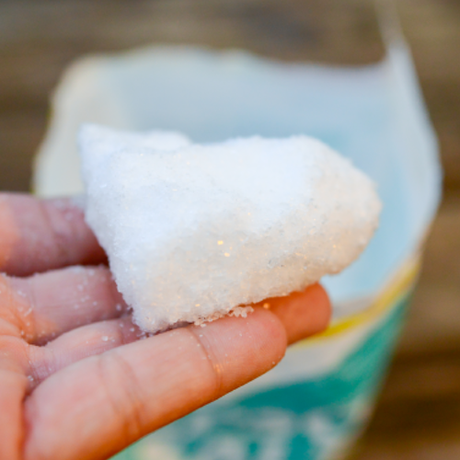
One of the BEST fertilizers you will come across is EPSOM salts. Just mix into your soil and see amazing results!
Read: How and Why you should add Epsom Salts to Soil Now
Β
EPSOM salts contain both magnesium and sulfur, two very important elements required for healthy plant growth.
When used in your garden as a natural source of magnesium... roses, tomatoes and peppers will thrive! Β You'll see your plants develop more "bushy", and deeper in color. Some gardeners boast their plants develop more blooms which will in turn provide larger yields of fruit especially on those tomato and pepper plants.Here are some ways to use EPSOM salts in the garden:
- METHOD #1:Β Β When planting, add one tablespoon (equivalent to 1 sampler pack) of EPSOM salts into the hole you've created,
- METHOD #2: Try mixing one tablespoon of EPSOM salts into a one gallon container filled with water. NowΒ water the roots of your plant, directly after planting. Avoid getting this mixture on the leaves
Read: How and Why you really should add Epsom Salts to to your soil Now
Read:Β Introduction to Fertilizers
Read: Introduction to Soil Amendements- METHOD #1:Β Β When planting, add one tablespoon (equivalent to 1 sampler pack) of EPSOM salts into the hole you've created,
Garlic - (Soft Neck) Inchelium Red (Organic)
From $299 USDUnit price /UnavailableDescription
Quick Overview
β’ Organicβ’ Large bulbsβ’ Softneck
β’ Dense cloves
Details
From Inchelium, WA, on the Colville Indian Reservation. The bulbs are large - to 3+ inches in diameter. 8-20 cloves of good size. Mild, but lasting, flavor, with a hint of hot! Dense cloves store well. The flavor can get stronger in storage. This vigorous soft-necked variety won a Rodale taste test of 20 garlic strains - named \"Very Best of the Soft-Necks.\" Available Spring and Fall.
How to Plant Garlic
Garlic can be planted in the spring as soon as the ground can be worked, but fall planting is recommended. Bulbs will grow bigger and more flavorful when you plant them in the fall. Β Plant 6 to 8 weeks before your first hard frost. Β In southern areas, February or March can be a better time to plant.
Key Planting Info:
- Break apart cloves from bulb but keep the papery husk on each individual clove.
- Ensure soil is well-drained with plenty of organic matter. Plant in Full Sun.
- Plant 4 inches apart & 2 inches deep, in their upright position (the wide end down and pointed end facing up).
- Come springtime, shoots will begin to emerge.
Click here for a more detailed Garlic Grow Guide ->Garlic - (Soft Neck) Italian Late (Organic)
From $299 USDUnit price /UnavailableDescription
Quick Overview
β’ Beautiful to braid!
β’ Fast growing
β’ Softneck
Details
Light colored wrappers covering cloves which are generally fat and round. The extra-tight skin makes it a better keeper. This variety matures later than Early Italian Purple and tends to be somewhat smaller then Early Italian Purple as well. Good braiding type. Available Spring and Fall.
How to Plant GarlicGarlic can be planted in the spring as soon as the ground can be worked, but fall planting is recommended. Bulbs will grow bigger and more flavorful when you plant them in the fall. Β Plant 6 to 8 weeks before your first hard frost. Β In southern areas, February or March can be a better time to plant.
Key Planting Info:
- Break apart cloves from bulb but keep the papery husk on each individual clove.
- Ensure soil is well-drained with plenty of organic matter. Plant in Full Sun.
- Plant 4 inches apart & 2 inches deep, in their upright position (the wide end down and pointed end facing up).
- Come springtime, shoots will begin to emerge.
Click here for a more detailed Garlic Grow Guide ->Potato (Mid-Season) - Russet Pioneer (Organic/Heirloom)
From $299 USDUnit price /UnavailableDescription
-
Quick Overview
β’ Mid Season
β’ Medium YieldDetails
Mid Season. Blocky russet type. Long oval even tubers. Best ways to cook, roasting, frying, & baking. High yielder. Medium-long storage.
NOTE:Β We do not use chemicals to prevent our potatoes from sprouting. So the seed potatoes you order may have already begun to sprout when they arrive. This is okay-in fact some consider it desirable.
-
Sprouts/Microgreens - Bean, Garbanzo (Chickpea) seeds
From $299 USDUnit price /UnavailableDescription
Classic garbanzos (chickpea) for sprouts and hummus. Β Learn how to make your own hummus >
Cover Crop - Fall & Winter Rye seeds
From $299 USDUnit price /UnavailableDescription
Quick Overview
β’ Perennial
β’ Suppress weeds
Details
Very hardy, valued for its ability to break up hard pan soils with a profusion of roots and root hairs. Suppresses weeds, adaptable to a wide range of soil and climate conditions. Can plant from early spring until the ground freezes as a winter cover crop. Plant in fall with winter peas for nitrogen, organic matter and weed suppression. Planting rate: 3lbs per 1,000 sq ft;ΒBean, Fava/Broad - Aguadulce seeds
From $299 USDUnit price /UnavailableDescription
The Aguadulce Fava Bean is a cold hardy broadbean that can also take a bit of heat. This 4' bush-type plant produces charming white and black flowers that turn into huge green pods with huge, creamy, nutty, protein-rich beans inside. Known as a dried bean, itβs also delicious when eaten fresh from the pod. With its edible leaves, high yields, and nitrogen-fixing properties, this is a gorgeous performer for fall and winter gardens in all grow zones.
- Easy to grow
- Cold hardy to 20 degrees F
- Nitrogen fixer
- Great for winter gardens
SEED PLANTING TIPS
- Botanical name: Vicia faba
- Depth to plant seeds: 2" deep
- Spacing between plants: 4"-6" apart
- Spacing between rows: 18"-24" apart
- Days to germinate (sprout): 10-14 days
- Germination soil temps: 50F-65F
- Soil needs: 6.0-7.0 pH
- Sun needs: Full sun
- Frost hardy: Yes
- Planting season: Spring, fall, winter
- # of plants per sq. ft.: Appx. 2-4 plants per sq. ft.
- Days to maturity: 75-80 days when spring sown, 180 days when fall sown
Click here to view our full Bean grow guide
Good companion plants: Cabbage, Carrot, Lettuce, Parsley, Rosemary
Shop more:Β Β
BUSH BEANS
FAVA & BROAD BEANS
LIMA BEANS
POLE BEANSGarlic - (Hard Neck) Porcelain German
From $299 USDUnit price /UnavailableDescription
Quick Overview
β’ Grows well in any climateβ’ Hardneck
β’ StrongΒ flavor
Details
How to Plant Garlic
Garlic can be planted in the spring as soon as the ground can be worked, but fall planting is recommended. Bulbs will grow bigger and more flavorful when you plant them in the fall. Β Plant 6 to 8 weeks before your first hard frost. Β In southern areas, February or March can be a better time to plant.
Key Planting Info:
- Break apart cloves from bulb but keep the papery husk on each individual clove.
- Ensure soil is well-drained with plenty of organic matter. Plant in Full Sun.
- Plant 4 inches apart & 2 inches deep, in their upright position (the wide end down and pointed end facing up).
- Come springtime, shoots will begin to emerge.
Click here for a more detailed Garlic Grow Guide ->Sprouts/Microgreens - Quinoa seeds
From $299 USDUnit price /UnavailableDescription
Quinoa microgreens deliver exceptional nutritional density in a compact growing format. These tender seedlings contain concentrated levels of complete proteins, fiber, and essential minerals including magnesium and phosphorus. Cultivate indoors year-round on shallow trays with minimal soilβseeds germinate within 3-5 days and reach harvest maturity in 10-14 days. Their mild, slightly nutty flavor complements salads, grain bowls, and smoothies. Quinoa microgreens thrive in moderate light and consistent moisture, making them ideal for both novice and experienced growers seeking rapid, nutrient-rich harvests without extensive space requirements.

Sure to be your new favorite!Very easy to grow.Β
Ready to consume after just a couple of days.Β
Garlic - (Hard Neck) Russian Red
From $299 USDUnit price /UnavailableDescription
Quick Overview
β’ Hard neck
β’ RocamboleDetails
Red Russian is a rocambole garlic that was brought to the Pacific Northwest by Russian immigrants in the 1900s. It can withhold very cold winter temperatures while being grown in the garden. Early-Mid Season and averages 6-7 cloves per bulb.
How to Plant Garlic
Garlic can be planted in the spring as soon as the ground can be worked, but fall planting is recommended. Bulbs will grow bigger and more flavorful when you plant them in the fall. Β Plant 6 to 8 weeks before your first hard frost. Β In southern areas, February or March can be a better time to plant.
Key Planting Info:
- Break apart cloves from bulb but keep the papery husk on each individual clove.
- Ensure soil is well-drained with plenty of organic matter. Plant in Full Sun.
- Plant 4 inches apart & 2 inches deep, in their upright position (the wide end down and pointed end facing up).
- Come springtime, shoots will begin to emerge.
Click here for a more detailed Garlic Grow Guide ->Garlic - (Hard Neck) Porcelain Musik
From $299 USDUnit price /UnavailableDescription
Quick Overview
β’Β Porcelainβ’ Hard-neck
β’Β Very cold hardy
Details
A favorite, Musik is a porcelain type hardneck garlic with a rich flavor and medium to hot heat. Containing 4 to 8 easy to peel buff-colored cloves streaked with red highlights, it has excellent yields and is very cold hardy. Stores for 6 months or more.Β
Porcelain Musik is a hardneck variety that is well-suited for garden cultivation in temperate regions. It produces large, firm bulbs with a rich, complex flavor favored by chefs and gardeners alike. This variety develops a robust scape and exhibits excellent cold tolerance, allowing it to mature fully in cooler climates. Its natural resistance to diseases and pests ensures a dependable crop. Porcelain Musikβs cloves are easy to peel and store well, making it an outstanding choice for gardeners seeking premium garlic with superior taste and reliability.
How to Plant Garlic
Garlic can be planted in the spring as soon as the ground can be worked, but fall planting is recommended. Bulbs will grow bigger and more flavorful when you plant them in the fall. Β Plant 6 to 8 weeks before your first hard frost. Β In southern areas, February or March can be a better time to plant.
Key Planting Info:
- Break apart cloves from bulb but keep the papery husk on each individual clove.
- Ensure soil is well-drained with plenty of organic matter. Plant in Full Sun.
- Plant 4 inches apart & 2 inches deep, in their upright position (the wide end down and pointed end facing up).
- Come springtime, shoots will begin to emerge.
Click here for a more detailed Garlic Grow Guide ->Garlic - (Hard Neck) Chesnok Red
From $299 USDUnit price /UnavailableDescription
Quick Overview
β’ Hard neck
β’Β Good for baking
Details
A very large bulb that contains 9-10 nicely colored, easy-to-peel cloves. Especially good for baking because it holds its shape, and keeps its delightful aroma. Originated in the country of Georgia.
Garlic Chesnok Red is a hard-neck variety prized for its rich, robust flavor and easy peeling. Ideal for cooler climates, it produces large, plump cloves enclosed in a deep red-purple skin. Its sturdy neck supports scapes that can be harvested for a milder garlic taste. This cultivar offers excellent storage capability, making it a reliable choice for long-term use. Perfect for both culinary and medicinal applications, Chesnok Red thrives in well-drained soil with consistent moisture, requiring moderate care to yield a bountiful harvest.
How to Plant Garlic
Garlic can be planted in the spring as soon as the ground can be worked, but fall planting is recommended. Bulbs will grow bigger and more flavorful when you plant them in the fall.Β Β
Key Planting Info:
- Break apart cloves from bulb but keep the papery husk on each individual clove.
- Ensure soil is well-drained with plenty of organic matter. Plant in Full Sun.
- Plant 4 inches apart & 2 inches deep, in their upright position (the wide end down and pointed end facing up).
- Come springtime, shoots will begin to emerge.
Click here for a more detailed Garlic Grow Guide ->Garlic - (Hard Neck) Spanish Roja
From $299 USDUnit price /UnavailableDescription
Quick Overview
β’ Hard neck
β’ Rocambole
Details
Gourmet garlic famous for flavor! Light purple streaks on 7-13 easy-to-peel cloves. Suited to colder climates. May not yield well where winters are too mild. Very popular with market gardeners and restaurants. Brought to the Northwest before 1900; often called βGreek Blueβ.
How to Plant Garlic
Garlic can be planted in the spring as soon as the ground can be worked, but fall planting is recommended. Bulbs will grow bigger and more flavorful when you plant them in the fall.Β Β
Key Planting Info:
- Break apart cloves from bulb but keep the papery husk on each individual clove.
- Ensure soil is well-drained with plenty of organic matter. Plant in Full Sun.
- Plant 4 inches apart & 2 inches deep, in their upright position (the wide end down and pointed end facing up).
- Come springtime, shoots will begin to emerge.
Click here for a more detailed Garlic Grow Guide ->Garlic - (Hard Neck) German, Red
From $299 USDUnit price /UnavailableDescription
Quick Overview
β’ Grows well inΒ most any climate.Ββ’ Hard neck
β’ StrongΒ flavor
Details
This large bright purple bulb contains 8-12, extra easy-to-peel, round, light brown cloves with some purple at the base. Flavor is strong, hot, and spicy. Keeps moderately well when properly cured and stored. Can be grown in mild climates; However, develops better quality and size where winters are cold. Color will become brighter if it is stressed by too much water.
How to Plant Garlic
Garlic can be planted in the spring as soon as the ground can be worked, but fall planting is recommended. Bulbs will grow bigger and more flavorful when you plant them in the fall. Β Plant 6 to 8 weeks before your first hard frost. Β In southern areas, February or March can be a better time to plant.
Key Planting Info:
- Break apart cloves from bulb but keep the papery husk on each individual clove.
- Ensure soil is well-drained with plenty of organic matter. Plant in Full Sun.
- Plant 4 inches apart & 2 inches deep, in their upright position (the wide end down and pointed end facing up).
- Come springtime, shoots will begin to emerge.
Click here for a more detailed Garlic Grow Guide ->- From $299 USDUnit price /Unavailable
Description
Quick Overview
β’ AΒ favoriteΒ amongst chefsβ’ Easy to peelΒβ’ Hard neck
β’ Strong, hot and full flavoredDetails
This hard neck packs a punch! Strong, hot and full flavored, Svea is perfect for baking and is a favorite with chefs. Fat, purple streaked, easy to peel cloves per bulb. Thrives in colder climates, good storage.Β
Svea is a robust variety prized for its strong flavor and reliable growth in cooler climates. This hard-neck garlic produces large cloves with easy-to-peel skins, ideal for culinary use. Its sturdy neck supports the formation of a scape, signaling optimal harvest time. Svea thrives in well-drained soils and benefits from a cold dormant period, making it well-suited for gardeners seeking a hardy, flavorful garlic that stores well through the winter months.
How to Plant Garlic
Garlic can be planted in the spring as soon as the ground can be worked, but fall planting is recommended. Bulbs will grow bigger and more flavorful when you plant them in the fall. Β Plant 6 to 8 weeks before your first hard frost. Β In southern areas, February or March can be a better time to plant.
Key Planting Info:
- Break apart cloves from bulb but keep the papery husk on each individual clove.
- Ensure soil is well-drained with plenty of organic matter. Plant in Full Sun.
- Plant 4 inches apart & 2 inches deep, in their upright position (the wide end down and pointed end facing up).
- Come springtime, shoots will begin to emerge.
Click here for a more detailed Garlic Grow Guide -> Lupine, Russell Mix Flower seeds
From $299 USDUnit price /UnavailableDescription
The Russell Lupine Mix (Lupinus polyphyllus) is an easy-care perennial. Itβs in the legume family, so it fixes nitrogen in the soil and is a great companion plant or cover crop for the vegetable garden. Produces upright stalks of pea-sized blossoms in various shades of blue, pink, purple, red, and yellow with contrasting tips. Grows 1'-3' tall on sturdy stems with daisy-like palmate foliage. Gorgeous in a pot or an entire field.
If consumed in large quantities, seeds can be toxic to people, pets, and livestock.
- Life cycle: Perennial
- Bloom season: Spring, summer
- Attracts: Bees, butterflies, and other pollinators
- Flower meaning: Abundance, change, growth
SEED PLANTING TIPS
- Botanical name: Lupinus polyphyllus
- Hardiness zones: 3-7
- Planting season: Spring, fall
- Days to maturity: 1st or 2nd year
- Cold stratify: No
- Depth to plant seeds: Lightly cover - seeds need light to germinate
- Spacing between plants: 12"-24" apart
- Days to germinate (sprout): 15-75 days
- Germination soil temps: 55-70
- Soil types: Sandy, loamy, moist, well-drained
- Soil pH: 6.0-7.0
- Water needs: Average
- Sun needs: Full sun, part shade
- Frost tolerant: Yes
- Drought tolerant: Yes
- Deer resistant: Yes
Lupine, Texas Bluebonnet Flower seeds
From $299 USDUnit price /UnavailableDescription
The Texas Bluebonnet Lupine (Lupinus texensis) is so named because the blossoms resemble the bonnets worn by pioneer women. This low-growing annual is in the legume family, so it fixes nitrogen in the soil and is a great companion plant or cover crop for the vegetable garden. Produces upright spikes of pea-sized blossoms in rich blue with white tips, but can also pop up in shades of white, pink, purple, and maroon (βAggiebonnetβ). Grows 1'-1.5' tall on sturdy stems with daisy-like palmate foliage. Spectacular in a pot or blanketing an entire field. The state flower of Texas.
If consumed in large quantities, seeds can be toxic to people, pets, and livestock.
- Life cycle: Annual
- Bloom season: Spring
- Attracts: Bees, butterflies, and other pollinators
- Flower meaning: Abundance, change, growth
SEED PLANTING TIPS
- Botanical name: Lupinus texensis
- Hardiness zones: 3-8
- Planting season: Fall
- Days to maturity: 1st or 2nd year
- Cold stratify: No
- Depth to plant seeds: Lightly cover - seeds need light to germinate
- Spacing between plants: 8"-12" apart
- Days to germinate (sprout): 7-30 days
- Germination soil temps: 55F-70F
- Soil types: Clay, sandy, loamy, silty, rocky, chalky, calcareous, dry, well-drained
- Soil pH: 7.5+
- Water needs: Low - do not overwater
- Sun needs: Full sun
- Frost tolerant: Yes
- Drought tolerant: Yes
- Deer resistant: Yes
Garlic - (Soft Neck) California Early (Organic)
From $299 USDUnit price /UnavailableDescription
Quick Overview
β’ AdaptableΒ to any climate!
β’Β Easy growing
β’ Soft-neck
β’ Mild flavorDetails
California Early is very adaptable to any climate, and easy to grow. This variety has one of the longest storage life. Flavor is very mild.
California Early is a premium variety prized for its soft, pliable necks, making it ideal for braiding and long-term storage. Grown organically, this early-maturing garlic thrives in diverse climates, producing robust bulbs with rich flavor perfect for culinary and medicinal use. Its adaptable growth habit suits home gardens and small farms, delivering reliable yields of quality garlic while supporting sustainable agriculture practices.
How to Plant Garlic
Garlic can be planted in the spring as soon as the ground can be worked, but fall planting is recommended. Bulbs will grow bigger and more flavorful when you plant them in the fall. Β Plant 6 to 8 weeks before your first hard frost. Β In southern areas, February or March can be a better time to plant.
Key Planting Info:
- Break apart cloves from bulb but keep the papery husk on each individual clove.
- Ensure soil is well-drained with plenty of organic matter. Plant in Full Sun.
- Plant 4 inches apart & 2 inches deep, in their upright position (the wide end down and pointed end facing up).
- Come springtime, shoots will begin to emerge.
Click here for a more detailed Garlic Grow Guide ->Cover Crop - Summer Max Mix seeds
From $299 USDUnit price /UnavailableDescription
The Summer Max Cover Crop Seed Mix is a carefully formulated blend designed to enhance soil health and promote sustainable gardening practices. This mix includes a variety of species that thrive in warmer temperatures, providing numerous benefits to the garden ecosystem.
One of the primary advantages of using a cover crop mix is its ability to improve soil structure. The roots of the plants in the mix penetrate the soil, creating channels that enhance aeration and water infiltration. Studies have shown that cover crops can increase soil organic matter by up to 1% per year, which is significant for long-term soil fertility.
Additionally, the Summer Max Cover Crop Seed Mix contributes to nutrient cycling. As the plants grow, they absorb nutrients from the soil, which are then returned to the soil when the plants decompose. This process can reduce the need for synthetic fertilizers, promoting a more organic approach to gardening.
Another key benefit of this cover crop mix is its ability to suppress weeds. The dense growth of the cover crops shades the soil, limiting the sunlight available for weed seeds to germinate. Research indicates that cover crops can reduce weed populations by as much as 70%, thereby minimizing competition for resources among desired plants.
Furthermore, the Summer Max Cover Crop Seed Mix can enhance biodiversity in the garden. By planting a mix of species, gardeners can attract beneficial insects and pollinators, which play a crucial role in maintaining a healthy ecosystem. Increased biodiversity can lead to improved pest management, as natural predators help control pest populations.
It is essential to consider the timing and management of cover crops. The Summer Max Cover Crop Seed Mix is typically sown in late spring or early summer, allowing it to establish before the heat of summer sets in. Proper management practices, such as mowing or terminating the cover crops before planting the main crop, are vital to ensure that the benefits of the cover crops are fully realized.
In conclusion, the Summer Max Cover Crop Seed Mix offers a range of benefits for gardeners looking to improve soil health, suppress weeds, and promote biodiversity. By incorporating this mix into their gardening practices, individuals can contribute to a more sustainable and productive gardening environment.
Sprouts/Microgreens - Alfalfa seeds
From $399 USDUnit price /UnavailableDescription

Organic alfalfa sprouts deliver nutrient-dense greens in just 5-7 days using simple indoor sprouting methods. These seeds germinate reliably in mason jars, sprouting trays, or dedicated sprouters without soil, making them ideal for year-round cultivation regardless of outdoor conditions. Alfalfa sprouts are rich in vitamins, minerals, and enzymes while remaining exceptionally low in calories, offering substantial nutritional returns from minimal space. The sprouting process requires only water, proper drainage, and consistent rinsingβno special equipment or gardening experience necessary. Certified organic seeds ensure chemical-free production from seed to harvest. Perfect for health-conscious growers seeking fresh, living foods with complete control over growing conditions. Enjoy crisp, tender sprouts in salads, sandwiches, and smoothies within days of starting your crop.
Organic
- Alfalfa is one of the healthiest and easiest sprouts you can grow!Β Β
- Extremely high in protein, calcium, plus other minerals and vitamins in the B group, vitamin C, vitamin E, and vitamin K.
- Alfalfa is extremely easy to grow.
- All organic. All natural.
- If you like Alfalfa sprouts, make sure to check out Red Clover sprouts.
- Looking for an All-in-1 kit? Check out this All-in-1 Seed Sprouting Kit + Mason Jar.

How to Grow Sprouts
The easiest method is to grow sprouts in a Mason jar. To provide plenty of fresh air, cover the top with the mesh screen.
Step One: Soaking
For a quart-sized jar, put 1 Β½ to 2 tablespoons of small seeds (up to 1 cup if using larger seeds like green peas or garbanzo) in the sprouting jar. Cover top of jar with cloth or sprouting lid and rinse the seeds in warm (not hot) water. Drain and refill so that water is about an inch above the seeds. Let the seeds soak 8-12 hours (overnight). Protect from light by covering with a dish towel or placing in a cupboard.
Step Two: Rinsing
Rinse 2 to 3 times per day for 2 to 3 days. After thoroughly draining the rinse water, lay the jar on its side to spread out the seeds. Do not expose to light. After 2 to 3 days the sprouts should be filling up the jar.
Things to Remember:1. Rinse often (2-3 times/day).
2. Keep them moist, not wet.
3. Keep them at room temperature.
4. Give them air to breathe.
5. Don't grow too many in one container.
6. Keep them in a dark place.
Β
- Alfalfa is one of the healthiest and easiest sprouts you can grow!Β Β
- From $399 USDUnit price /Unavailable
Description

The Green Globe Artichoke produces a large, delicious green flower bud that opens into a purple thistle if left to flower. Choose a sunny spot in your garden with lots of room for this plant to grow. Artichokes are perennial plants that keep coming back bigger and more productive every year. For a dramatic difference in color, try growing the Violet Star Artichoke.- Drought tolerant
- Heat tolerant
- Usually produces in 2nd year
- Perennial
Β
Arugula - Roquette (Rocket) seeds
From $399 USDUnit price /UnavailableDescription

Roquette Arugula (also called Rocket) is one of the easiest leafy greens you can grow, and can be harvested as early asΒ 20 days after planting. The young seed pods, flowers, leaves, and mature seeds are all edible. A member of the mustard family, the leaves of the Arugula plant add a deliciously tangy/peppery flavor to any meal.
- Easy to grow
- Entire plant is edible
- Frost tolerant
- Quick to mature β 20 days for baby greens!
Shop all Arugula Seeds Shop Good Companion Plants for Arugula Β πΒ Grow Guide: Arugula Asparagus - Mary Washington seeds
From $399 USDUnit price /UnavailableDescription

The Mary Washington Asparagus is a popular old heirloom variety that produces vigorous, uniform spears with a sweet, nutty flavor. Asparagus plants are perennials that can easily produce for 20+ years, so give this vegetable a permanent and sunny spot in your garden. To ensure many years of future production, wait until the second year to cut and consume the spears.Β
- Early producer
- Cold hardy, but protect from frost
- Easy to care for, once established
- Beautiful fern-like foliage lingers after harvest
Asparagus can be considered a power food among veggies. It is packed with vitamins and minerals, delivering a more complete balance than any other. Asparagus is a good source of vitamin A, B6 and C, as well as iron, potassium, riboflavin, niacin, and thiamine. It is high in fiber and low in carbohydrates, contains no fat, no cholesterol and has only 20 calories per 1/2 cup serving.
An established bed of 25 asparagus plants will produce about 10 pounds of asparagus per year.
β’Β Shop all Asparagus (seeds)
β’Β Shop all Asparagus (roots)
Shop Good Companion Plants for Asparagus πΒ Grow Guide: Asparagus - From $399 USDUnit price /Unavailable
Description

Blue Lake bush beans are a classic variety prized for their tender, stringless pods and exceptional flavor. These compact plants produce abundant yields of 5-6 inch pods perfect for fresh eating, steaming, or freezing. Known for their reliability and disease resistance, Blue Lake beans thrive in warm soil and full sun, maturing in approximately 50-60 days. They're ideal for gardeners seeking consistent harvests without the space requirements of pole varieties. Direct sow seeds after the last frost date, spacing them 4-6 inches apart in well-draining soil. A favorite among home gardeners for over 70 years.
- Stringless pods
- Easy to grow
- Matures quicklyβ55 days
- Medium 5"-6" podsΒ
Shop all Bean Seeds Shop Good Companion Plants for Beans πΒ Grow Guide: Beans - From $399 USDUnit price /Unavailable
Description

The Contender Bush BeanΒ (Phaseolus vulgaris) is one of the best tasting green beans, and it can tolerate the heat. An early and prolific producer, pods can grow 6"-8" long, and are slightly curved with a distinct flavor. This stringless variety is great for canning, freezing, or eating fresh from the garden.
- Easy to grow
- Stringless variety
- Matures quicklyβ50 days
- Heat tolerant
Shop all Bean Seeds Shop Good Companion Plants for Beans πΒ Grow Guide: Beans - From $399 USDUnit price /Unavailable
Description

The Harvester Bush Bean grows high off the ground for easy picking. It has excellent flavor from pods that can grow up to 6" long. And you can be enjoying the juicy crunchiness in only 55 days. Whatβs not to like about this easy string bean?- Easy to grow
- High yielding
- Easy to harvest
- Long, flavorful pods
SEED PLANTING TIPS
- Botanical name: Phaseolus vulgaris
- Depth to plant seeds: 1" deep
- Spacing between plants: 4" apart
- Spacing between rows: 18"-24" apart
- Days to germinate (sprout): 5-10 days
- Germination soil temps: 70F-85F
- Soil needs: 6.0-7.0 pH
- Sun needs: Full sun
- Frost hardy: No
- Planting season: Spring, summer, fall
- # of plants per sq. ft.: Appx. 4 plants per sq. ft.
- Days to maturity: 50-55 days
Good companion plants: Cucumber, Pea, Rosemary, Thyme, Tomato
Shop more:Β Β
BUSH BEANS
FAVA & BROAD BEANS
LIMA BEANS
POLE BEANS - From $399 USDUnit price /Unavailable
Description
The Jade Bush Bean produces very sweet, tender 7" pods. These stringless beans grow on a strong plant, high off the ground for quick picking, and their deep green color makes them easy to spot among the leaves. This gem maintains production even in high temperatures.
- Easy to grow
- Stringless variety
- Sweet, tender 7" pods
- Tolerates high temperatures
SEED PLANTING TIPS
- Botanical name: Phaseolus vulgaris
- Depth to plant seeds: 1" deep
- Spacing between plants: 4" apart
- Spacing between rows: 18"-24" apart
- Days to germinate (sprout): 5-10 days
- Germination soil temps: 70F-85F
- Soil needs: 6.0-7.0 pH
- Sun needs: Full sun
- Frost hardy: No
- Planting season: Spring, summer, fall
- # of plants per sq. ft.: Appx. 4 plants per sq. ft.
- Days to maturity: 55-60 days
Click here to view our full Bean grow guide
Good companion plants: Cucumber, Pea, Rosemary, Thyme, Tomato
Shop more:Β Β
BUSH BEANS
FAVA & BROAD BEANS
LIMA BEANS
POLE BEANS - From $399 USDUnit price /Unavailable
Description

The Landreth Bush Bean is a classic green beanβlovely medium color, tender 5"-6" stringless pods, and excellent flavor. Itβs also an heirloom that has been growing in gardens since the late 1800s. A reliable and heavy producer, this bean is more heat tolerant than other varieties. Tends to grow tall and wide, so give it a little more garden space.
- Easy to grow
- High yields
- Heat tolerant
- Stringless variety
SEED PLANTING TIPS
- Botanical name: Phaseolus vulgaris
- Depth to plant seeds: 1" deep
- Spacing between plants: 4"-6" apart
- Spacing between rows: 18"-24" apart
- Days to germinate (sprout): 5-10 days
- Germination soil temps: 70F-85F
- Soil needs: 6.0-7.0 pH
- Sun needs: Full sun
- Frost hardy: No
- Planting season: Spring, summer, fall
- # of plants per sq. ft.: Appx. 2-4 plants per sq. ft.
- Days to maturity: 50-55 days
Click here to view our full Bean grow guide
Good companion plants: Cucumber, Pea, Rosemary, Thyme, Tomato
Shop more:Β Β
BUSH BEANS
FAVA & BROAD BEANS
LIMA BEANS
POLE BEANS - From $399 USDUnit price /Unavailable
Description
The Roma II Bush Bean is an Italian snap bean with flat stringless pods. A tender, meaty bean that retains its fresh flavor when cooked or canned, and is hearty enough to throw on the grill. This high yielder grows tall, making it easy to harvest lots of wide 5"-6" pods.
- Easy to grow
- Tender and flavorful
- Stringless variety
- High yields
SEED PLANTING TIPS
- Botanical name: Phaseolus vulgaris
- Depth to plant seeds: 1.25" deep
- Spacing between plants: 5-6" apart
- Spacing between rows: 18"-24" apart
- Days to germinate (sprout): 5-10 days
- Germination soil temps: 70F-85F
- Soil needs: 6.0-7.0 pH
- Sun needs: Full sun
- Frost hardy: No
- Planting season: Spring, summer, fall
- # of plants per sq. ft.: Appx. 4 plants per sq. ft.
- Days to maturity: 58-65 days
Click here to view our full Bean grow guide
Good companion plants: Cucumber, Pea, Rosemary, Thyme, Tomato
Shop more:Β Β
BUSH BEANS
FAVA & BROAD BEANS
LIMA BEANS
POLE BEANS Bean, Bush - Tendergreen seeds
From $399 USDUnit price /UnavailableDescription

The Tendergreen Bush Bean is a heavy yielder and heat-tolerant, producing longer than other beans. It grows long 6"-7" stringless pods, but pick them at 5" for best flavor and tenderness. Be sure to shell one of the pods to see the purple-brown beans inside.
- Easy to grow
- High yields
- Heat tolerant
- Stringless variety
SEED PLANTING TIPS
- Botanical name: Phaseolus vulgaris
- Depth to plant seeds: 1" deep
- Spacing between plants: 4" apart
- Spacing between rows: 18"-24" apart
- Days to germinate (sprout): 5-10 days
- Germination soil temps: 70F-85F
- Soil needs: 6.0-7.0 pH
- Sun needs: Full sun
- Frost hardy: No
- Planting season: Spring, summer, fall
- # of plants per sq. ft.: Appx. 4 plants per sq. ft.
- Days to maturity: 50-55 days
Click here to view our full Bean grow guide
Good companion plants: Cucumber, Pea, Rosemary, Thyme, Tomato
Shop more:Β Β
BUSH BEANS
FAVA & BROAD BEANS
LIMA BEANS
POLE BEANS- From $399 USDUnit price /Unavailable
Description

The Top Crop Bush Bean lives up to its name. This All-American Selections (AAS) winner produces high yields high up on a tall plant for easy harvesting. The 6"-7" pods are smooth, round, straight, and stringless, and they mature early in about 50 days. Also add heat tolerant to the list.
- Easy to grow
- Easy to harvest
- Heat tolerant
- Matures earlyβ50 days
SEED PLANTING TIPS
- Botanical name: Phaseolus vulgaris
- Depth to plant seeds: 1" deep
- Spacing between plants: 4" apart
- Spacing between rows: 18"-24" apart
- Days to germinate (sprout): 5-10 days
- Germination soil temps: 70F-85F
- Soil needs: 6.0-7.0 pH
- Sun needs: Full sun
- Frost hardy: No
- Planting season: Spring, summer, fall
- # of plants per sq. ft.: Appx. 4 plants per sq. ft.
- Days to maturity: 50-55 days
Click here to view our full Bean grow guide
Good companion plants: Cucumber, Pea, Rosemary, Thyme, Tomato
Shop more:Β Β
BUSH BEANS
FAVA & BROAD BEANS
LIMA BEANS
POLE BEANS Bean, Fava/Broad - Broad Windsor seeds
From $399 USDUnit price /UnavailableDescription

Consumed around the world as a nutritious, protein-rich dried bean, The Broad Windsor Fava Bean is also tasty as a shell bean. This cold hardy bush-type plant grows to 3'-4' with unusual black and white blossoms. The huge beans have a creamy, nutty flavor, and the leaves can be eaten fresh or cooked. High yields make this nitrogen fixer a multi-tasker in the fall and winter gardens of all grow zones.
- Easy to grow
- Cold hardy to 20 degrees
- Nitrogen fixer
- Great for winter gardens
SEED PLANTING TIPS
- Botanical name: Vicia faba
- Depth to plant seeds: 2" deep
- Spacing between plants: 4"-6" apart
- Spacing between rows: 18"-24" apart
- Days to germinate (sprout): 10-14 days
- Germination soil temps: 50F-65F
- Soil needs: 6.0-7.0 pH
- Sun needs: Full sun
- Frost hardy: Yes
- Planting season: Spring, fall, winter
- # of plants per sq. ft.: Appx. 2-4 plants per sq. ft.
- Days to maturity: 75-80 days when spring sown, 180 days when fall sown
Click here to view our full Bean grow guide.
Good companion plants: Cabbage, Carrot, Lettuce, Parsley, Rosemary
Shop more:Β Β
BUSH BEANS
FAVA & BROAD BEANS
LIMA BEANS
POLE BEANSBean, Lima/Pole - King of the Garden seeds
From $399 USDUnit price /UnavailableDescription

With a name like King of the Garden Lima Bean, you can expect great things. This pole bean produces prolific yields of 7" pods full of large white lima beans with sweet, smooth flavor. Vines can grow 9'-10' high. Will continue to blossom and produce throughout the hot summer months. Cook them before you eat them fresh, as raw lima beans are toxic.
- Easy to grow
- Prolific producer
- Heat loving
- Sweet flavor
SEED PLANTING TIPS
- Botanical name: Phaseolus lunatus
- Depth to plant seeds: 1.5" deep
- Spacing between plants: 4"-5" apart
- Spacing between rows: 24"-30" apart
- Days to germinate (sprout): 10-21 days
- Germination soil temps: 70F-90F
- Soil needs: 6.0-7.0 pH
- Sun needs: Full sun
- Frost hardy: No
- Planting season: Spring, summer
- # of plants per sq. ft.: Appx. 4-6 plants per sq. ft.
- Days to maturity: 85-95 days
Click here to view our full Bean grow guide
Good companion plants: Cucumber, Pea, Rosemary, Thyme, Tomato
Shop more:Β Β
BUSH BEANS
FAVA & BROAD BEANS
LIMA BEANS
POLE BEANSBean, Lima/Bush - Henderson seeds
From $399 USDUnit price /UnavailableDescription
The Henderson Lima Bean is an old heirloom with a reputation for easy growth and high yields of small, but plump pods and beans. This is one bean that requires higher temperatures for best production. Raw beans are toxic, so enjoy its smooth, creamy, buttery flavor after cooking, either shelled or dried. This compact bush-type plant spreads wider than green beans, so give them room to grow.
- Easy to grow
- Bush growth habit
- Heat loving
- Superb flavor
SEED PLANTING TIPS
- Botanical name: Phaseolus lunatus
- Depth to plant seeds: 1.5" deep
- Spacing between plants: 6"-8" apart
- Spacing between rows: 24"-30" apart
- Days to germinate (sprout): 10-21 days
- Germination soil temps: 70F-90F
- Soil needs: 6.0-7.0 pH
- Sun needs: Full sun
- Frost hardy: No
- Planting season: Spring, summer, fall
- # of plants per sq. ft.: Appx. 2-4 plants per sq. ft.
- Days to maturity: 65-75 days
Click here to view our full Bean grow guide.
Good companion plants: Cucumber, Pea, Rosemary, Thyme, Tomato
Shop more:Β Β
BUSH BEANS
FAVA & BROAD BEANS
LIMA BEANS
POLE BEANSBean, Pole - Kentucky Wonder, Brown seeds
From $399 USDUnit price /UnavailableDescription

Β
The Kentucky Wonder Brown-Seeded Pole Bean is a reliable and heavy yielder. This vigorous vining plant produces bright green, stringless 8" pods with flavorful brown beans inside. Wondering if you can get flavorful white beans inside? Yes, you can. Quick to start producing, and will continue to set blooms and beans until frost.
- Easy to grow
- Long 8" pods
- Quick to produce
- Long growing season
SEED PLANTING TIPS
- Botanical name: Phaseolus vulgaris
- Depth to plant seeds: 1" deep
- Spacing between plants: 5" apart
- Spacing between rows: 18"-24" apart
- Days to germinate (sprout): 8-14 days
- Germination soil temps: 70F-90F
- Soil needs: 6.0-7.0 pH
- Sun needs: Full sun
- Frost hardy: No
- Planting season: Spring, summer
- # of plants per sq. ft.: Appx. 4 plants per sq. ft.
- Days to maturity: 75-85 days
Click here to view our full Bean grow guide
Good companion plants: Cucumber, Pea, Rosemary, Thyme, Tomato
Shop more:Β Β
BUSH BEANS
FAVA & BROAD BEANS
LIMA BEANS
POLE BEANSBean, Pole - Rattlesnake seeds
From $399 USDUnit price /UnavailableDescription
The Rattlesnake Pole Bean is as delicious as it is beautiful. Long purple-and-green streaked pods dangle from strong 10' vines, with streaked beige beans inside. Like its namesnake, itβs not bothered by heat, humidity, or drought. If you hear it rattle, it has probably dried on the vine. Grow alongside other streaked beans, like Tongue of Fire and Borlotti.
- Easy to grow
- Heat tolerant
- Long pods up to 8"-10β
- Eat fresh or dried
SEED PLANTING TIPS
- Botanical name: Phaseolus vulgaris
- Depth to plant seeds: 1" deep
- Spacing between plants: 5" apart
- Spacing between rows: 18"-24" apart
- Days to germinate (sprout): 8-14 days
- Germination soil temps: 70F-85F
- Soil needs: 6.0-7.0 pH
- Sun needs: Full sun
- Frost hardy: No
- Planting season: Spring, summer
- # of plants per sq. ft.: Appx. 4 plants per sq. ft.
- Days to maturity: 70-75 days
Click here to view our full Bean grow guide
Good companion plants: Cucumber, Pea, Rosemary, Thyme, Tomato
Shop more:Β Β
BUSH BEANS
FAVA & BROAD BEANS
LIMA BEANS
POLE BEANS- From $399 USDUnit price /Unavailable
Description

- The Boltardy Beet is a Detroit-type beet originating from Holland which has a beautiful deep-red, ringless flesh and very smooth skin
- Boltardy Beets are extremely hardy
- Canwithstand cool weather sowing in early spring
- Highly resistant to bolting
-
Day to Maturity | 60 days Β
- Beet Seeds | Beets are hardy and may be sown as soon as the ground can be worked. Sow seed 1/2 inch deep in rows 12-18 inches apart.
Shop all Beet Seeds Β π Beets Grow GuideΒ - The Boltardy Beet is a Detroit-type beet originating from Holland which has a beautiful deep-red, ringless flesh and very smooth skin
- From $399 USDUnit price /Unavailable
Description

- This heirloom beet is grown for its tender, sweet, deep red-burgundy foliage, but the beets are tasty when harvested at the 2- to 3-inch size
- The glossy leaves reach 18 inches high
- Its dark leaves contrast nicely with many garden plants
-
Days to Maturity | 60 days Β
- Beet Seeds | Beets are hardy and may be sown as soon as the ground can be worked. Sow seed 1/2 inch deep in rows 12-18 inches apart.
Shop all Beet Seeds Β π Beets Grow GuideΒ - This heirloom beet is grown for its tender, sweet, deep red-burgundy foliage, but the beets are tasty when harvested at the 2- to 3-inch size
Beet - Detroit (Dark Red) seeds
From $399 USDUnit price /UnavailableDescription
Shop all Beet Seeds Β π Beets Grow GuideΒ - From $399 USDUnit price /Unavailable
Description

- The Golden Detroit beet has round orange roots with a very sweet and delicious taste
- Perfect for the everyday and beginner gardener
- Days to Maturity | 55-60 days
Shop all Beet Seeds Β π Beets Grow GuideΒ - The Golden Detroit beet has round orange roots with a very sweet and delicious taste
- From $399 USDUnit price /Unavailable
Description

White Detroit beets are a unique variety prized for their clean, ivory-colored roots and mild, sweet flavor. Ideal for garden cultivation, they develop smooth, tender beets that retain their creamy color after cooking. These beets thrive in well-drained soil with consistent moisture and moderate temperatures, making them suitable for spring and fall planting. Their reliable growth and distinctive appearance add both visual interest and nutritional value to any garden or kitchen. White Detroit beets are an excellent choice for growers seeking a versatile and attractive root vegetable. Days to Maturity | 55-60 daysΒ
Shop all Beet Seeds Β π Beets Grow GuideΒ - From $399 USDUnit price /Unavailable
Description

- Early, round, smooth-skinned beets are exceptionally tender.
-
Days to Maturity | 50 days
- Beet Seeds | Beets are hardy and may be sown as soon as the ground can be worked. Sow seed 1/2 inch deep in rows 12-18 inches apart
Shop all Beet Seeds Β π Beets Grow GuideΒ - Early, round, smooth-skinned beets are exceptionally tender.
- From $399 USDUnit price /Unavailable
Description

- This popular broccoli variety produces a short, 24 inch plant with medium-large heads. Withstands cold well. Best used for a fall crop.
- Extremely flavorful heads of broccoli.
- βCalabreseβ is an old Italian heirloom variety that sprouts side shoots that will mature for harvesting.
-
Once the main head is cut off the plant will continuously produce many broccoli shoots during the season
-
Days to Maturity | 65 days
- Broccoli is high in vitamin C, as well as dietary fiber; it also contains multiple nutrients with potent anti-cancer properties, such as diindolylmethane and small amounts of selenium. A single serving provides more than 30 mg of Vitamin C and a half-cup provides 52 mg of Vitamin C.
- This popular broccoli variety produces a short, 24 inch plant with medium-large heads. Withstands cold well. Best used for a fall crop.
- From $399 USDUnit price /Unavailable
Description

- The Early Purple Broccoli Plant produces extremely flavorful heads of broccoli that are bright purple.
- Ideal for garnishes or used fresh in salads and other gourmet culinary creations.
- Once the main head is removed this variety will continuously produce many offshoots during the season.
- Can be planted late winter and early spring.
- An extremely easy to grow variety that can withstand cold temps.
-
Days to Maturity | 65 days
-
Broccoli Seeds |Β Start seed indoors 6 weeks before the last killing frost, for early spring crop. Plant in rows 2 1/2 feet apart, with 18 inches to 2 feet between the plants.
- Broccoli is high in vitamin C, as well as dietary fiber; it also contains multiple nutrients with potent anti-cancer properties, such as diindolylmethane and small amounts of selenium. A single serving provides more than 30 mg of Vitamin C and a half-cup provides 52 mg of Vitamin C.
- The Early Purple Broccoli Plant produces extremely flavorful heads of broccoli that are bright purple.
Broccoli - Romanesco Italia seeds
From $399 USDUnit price /UnavailableDescription

-
Old italian heirloom variety that produces excellent yields of beautifully unique green broccoli heads.
- This is a unique Italian variety with better taste and texture than other broccoli.
- It has beautiful apple green spiraling buds and is especially well adapted to the north.
- A heirloom variety from Italy.
-
Days to Maturity | 75 days
- Broccoli is high in vitamin C, as well as dietary fiber; it also contains multiple nutrients with potent anti-cancer properties, such as diindolylmethane and small amounts of selenium. A single serving provides more than 30 mg of Vitamin C and a half-cup provides 52 mg of Vitamin C.
-
Old italian heirloom variety that produces excellent yields of beautifully unique green broccoli heads.
- From $399 USDUnit price /Unavailable
Description

- This popular broccoli variety produces a short, 24 inch plant with medium-large heads.
- Withstands cold extremely well.
- Best grows for a fall crop.
-
Days to Maturity | 85 days
- Broccoli is high in vitamin C, as well as dietary fiber; it also contains multiple nutrients with potent anti-cancer properties, such as diindolylmethane and small amounts of selenium. A single serving provides more than 30 mg of Vitamin C and a half-cup provides 52 mg of Vitamin C.
- This popular broccoli variety produces a short, 24 inch plant with medium-large heads.
- From $399 USDUnit price /Unavailable
Description

- These seeds produces very flavorful heads of cabbage.Β
- Very reliable variety
- It is best known as one of the earliest and best cabbages on the market
- Suitable for spring, summer, and fall crops -
Days to Maturity | 65 days
-
Cabbage Seeds | βοΈ Cabbage is an annual cool-season crop, hardy to frost and light freezes. A smaller cabbage head has better flavor and can stay in the field longer without splitting. To keep them small, plant close together or, when the head is almost full, give the plant a sharp twist to break up the roots. π Cabbage is a wide spreading foliage plant with handsome leaves that form a tight, hard ball head on a strong central stem. Young plants may bolt if grown at 50F for a long time; however mature plants of late varieties improve flavor in cold weather.
Click here for complete Cabbage grow guide
Additional Details
Did you know? Cabbage is an excellent source of vitamin C! It also contains significant amounts of glutamine, an amino acid that has anti-inflammatory properties. Cabbage can also be included in dieting programs, as it is a low calorie food.
- These seeds produces very flavorful heads of cabbage.Β
Cabbage - Bok Choy, Chinese Pak Choi seeds
From $399 USDUnit price /UnavailableDescription

- This is the very popular Chinese non-heading Cabbage variety
- Produces loose spoon shaped leaves with thick white ribs
- Tender, crisp and mild
- Cold resistant
-
Days to Maturity | 45-50 days
-
Cabbage Seeds | Cabbage is an annual cool-season crop, hardy to frost and light freezes. Plant in rows 2 1/2 feet apart, with 12-16 inches between plants.
Click here for complete Cabbage grow guide
Did you know? Cabbage is an excellent source of vitamin C! It also contains significant amounts of glutamine, an amino acid that has anti-inflammatory properties. Cabbage can also be included in dieting programs, as it is a low calorie food.
- This is the very popular Chinese non-heading Cabbage variety
π± Featured Collections
View all... continue shopping!
π₯ Trending Now
View allπͺ΄ Essential Supplies -&- More
View allGet this month's seeds kit for FREE w/any-size order!
INCLUDES:Β Organic indoor seed starting soil podΒ +Β seeds of the monthΒ + plant label marker + instructions/grow guides
We want everyone to be successful growing their own sustainable organic vegetable garden. We created this Organic Gardening Grow Guides eBook ... and we're giving it away - for FREE! This eBook includes absolutely everything you need to know --- seed-to-harvest!


![Tomato - Cherry, Red (Large) [INDETERMINATE].](http://raices.seedsnow.com/cdn/shop/products/700xshutterstock_134576882.jpg?v=1775050510&width=1214)


![Tomato - Cherry, Red (Large) [INDETERMINATE].](http://raices.seedsnow.com/cdn/shop/products/700xshutterstock_126276653.jpg?v=1775050510&width=1214)